For college faculty
Industry-Integrated Faculty Development Program
Our faculty development program gives teaching staff hands-on time with modern tools, a clear view of how industry works today and practical project-based teaching methods. It is led by Icanio engineers and delivered onsite, online or in hybrid mode.
- Hands-on with modern tools
- Project-based methodology
- Onsite, online or hybrid
- Certificate for participants

- Format
- Hands-on training with industry insights
- Duration
- Planned with your college calendar
- Delivered by
- Practising Icanio engineers
- For
- Faculty of engineering and arts and science colleges
Quick answer
What is a faculty development program by Icanio Tech School?
A faculty development program by Icanio Tech School is hands-on training for college teaching staff, led by practising engineers from Icanio Technologies. Faculty work with modern tools and emerging technologies, learn project-based teaching methods and see current industry practice. It runs onsite, online or in hybrid mode, and participants receive a certificate on completion.
By Icanio Tech School Academic Team · Updated

What it is
Why a faculty development program with industry engineers
When faculty stay close to industry practice, students benefit in every class, not just in one training event.
Technology changes faster than any syllabus can be revised. Tools that were new three years ago are now standard at work, and new ones arrive every year. Faculty carry a heavy teaching and admin load, so there is rarely time to explore them properly.
Our faculty development program gives that time a structure. Engineers from Icanio Technologies show how current tools are used on live client projects. Faculty then try them in guided, hands-on sessions and plan how to bring them into their own labs and assignments.
The goal is better teaching, not just new knowledge. The program improves teaching effectiveness, strengthens how faculty mentor student projects and supports learning that is aligned with industry. Each faculty development program can be delivered onsite, online or in a hybrid format.
- Project-based learning and teaching methodologies
- Flexible delivery: onsite, online or hybrid
- Hands-on training with modern tools
- Certificate for every faculty participant
What we bring
What our faculty development program brings to faculty
Four outcomes shape every faculty development program we run with a college.

Industry-focused skill training
Focused technical and professional training that builds expertise faculty can use in class straight away.

Practical tool exposure
Hands-on time with modern tools and emerging technologies, in the way working engineers use them.

Project-based learning methodology
Ways to turn concepts into real-world projects that students build, test and present.

Certification for participants
A certificate on successful completion, recognising the training each faculty member has done.
Benefits
How the program helps faculty, students and the college

For faculty
Faculty gain confidence with current tools and a practical method for running project-based labs. They also get a certificate that supports their professional development record.

For students
Students get labs, assignments and project guidance that reflect what employers expect. Better-prepared mentors mean better final-year projects and stronger interview stories.

For the institution
The college records a structured, industry-led training for its staff. That supports accreditation files, strengthens the teaching team and builds a closer link with industry.
How we run it
How we plan a faculty development program with your college
Our team shapes each program around your departments and the tools your faculty want to learn.
- 1Step 1
Understand your goals
Your principal or HoD tells us which departments will attend, what they teach and which technologies they want to explore.
- 2Step 2
Design the program
We propose topics, hands-on exercises and a delivery mode: onsite at your college, online, or a hybrid of both.
- 3Step 3
Fix the schedule
We plan dates around your academic calendar, often during a semester break, so teaching is not disturbed.
- 4Step 4
Deliver hands-on sessions
Icanio engineers lead each session with a short concept, a guided exercise and time for faculty to practise on their own.
- 5Finish
Apply, certify and review
Faculty plan how to use the method in their own courses. Participants receive certificates, and we review feedback with your team.
Topics
Areas a faculty development program can cover
We build each program around the technologies our engineers work with every day. These are the areas colleges ask about most.
- Python programming and problem-solving for lab courses
- Web development, frontend and backend, with modern frameworks
- Data science and analysis with industry tools
- AI and machine learning concepts, models and datasets
- DevOps, CI/CD and cloud basics for software courses
- Software testing, manual and automation, and quality practices
- Project-based learning: designing, running and assessing student projects


Inside a session
What a typical day in the program looks like
A day starts with a short industry briefing. An Icanio engineer explains where a tool fits in a real project, what problem it solves and what mistakes new users make. This takes minutes, not hours, so most of the day is left for practice.
Faculty then work through a guided exercise on their own systems. The trainer moves between participants, answers questions and shows shortcuts that come from daily use. After lunch, faculty take the same tool and apply it to a topic from their own syllabus.
The day closes with a short review. Participants share what they built, discuss how students might struggle with it and note one change they will make in their next lab. This is the part of the faculty development program that turns training into better teaching.

Teaching method
Project-based teaching that faculty can use the next week
Many faculty already want to run project-based labs. The hard parts are scoping a project that fits a semester, guiding thirty teams at once and assessing the work fairly. Our faculty development program works through those problems directly.
Faculty see how our engineers break a real brief into small tasks, set checkpoints and review work. They practise writing a project brief, a simple rubric and a feedback plan for their own subject. By the end, each participant has a draft they can use in the coming semester.
We recommend that two or more faculty from the same department attend together. They can then share the load, compare results and keep the method alive after the program ends.
Compare
Faculty development program delivery modes
Choose the mode that suits your staff, campus and calendar. Each faculty development program can use any of the three.
| Mode | How it works | Best for |
|---|---|---|
| Onsite | Icanio engineers train faculty in your college labs | Hands-on tool practice in your own setup |
| Online | Live, instructor-led sessions faculty join remotely | Busy schedules or several campuses |
| Hybrid | A mix of online sessions and onsite lab days | Longer programs with practice between sessions |
Our team will suggest a mode after we understand your departments and the tools your faculty want to learn.
After the program
How faculty keep the momentum after training
Training is only useful if it reaches students. That is why every faculty development program ends with a plan each participant can act on. It may be a new lab exercise, a revised mini project or a better rubric for final-year reviews.
Colleges with an MoU partnership can go further. Their faculty get ongoing industry mentorship, so questions that come up during the semester have somewhere to go. Faculty can also sit in on value added courses and workshops that our engineers run on their campus.
In our experience, the departments that improve fastest are the ones where faculty treat the program as a starting point. They try one change, look at the results and then add the next. Our team is glad to support that cycle over several semesters.
- A concrete classroom plan for every participant
- Ongoing mentorship for MoU partner colleges
- Option to observe value added courses on campus
On campus
Recent Icanio sessions at partner colleges
Our engineers regularly teach at partner colleges across Tamil Nadu. These photos show recent hands-on sessions.

Kamaraj College of Engineering and Technology: value added course on .NET, with C#, ASP.NET Core and database integration. 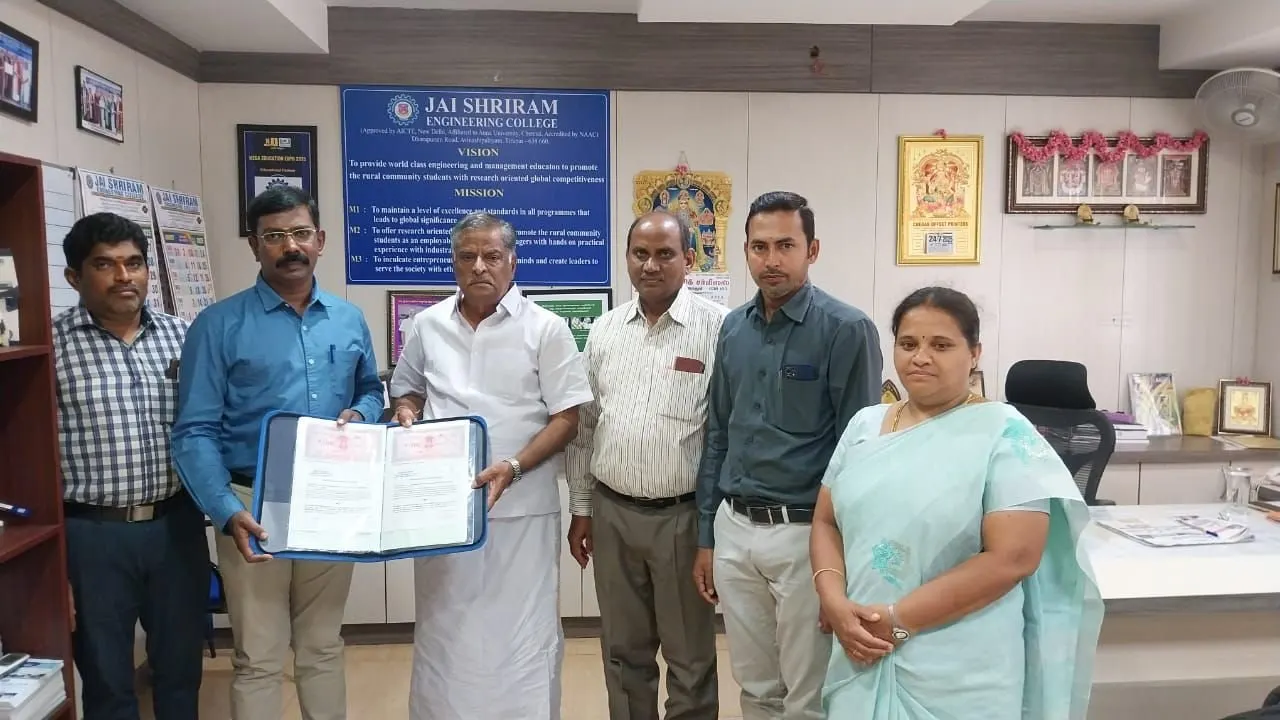
Dr. N.G.P. Arts and Science College, Coimbatore: a two-day interactive workshop on Coding with AI. 
Rajalakshmi Engineering College, Chennai: value added course on Generative AI. 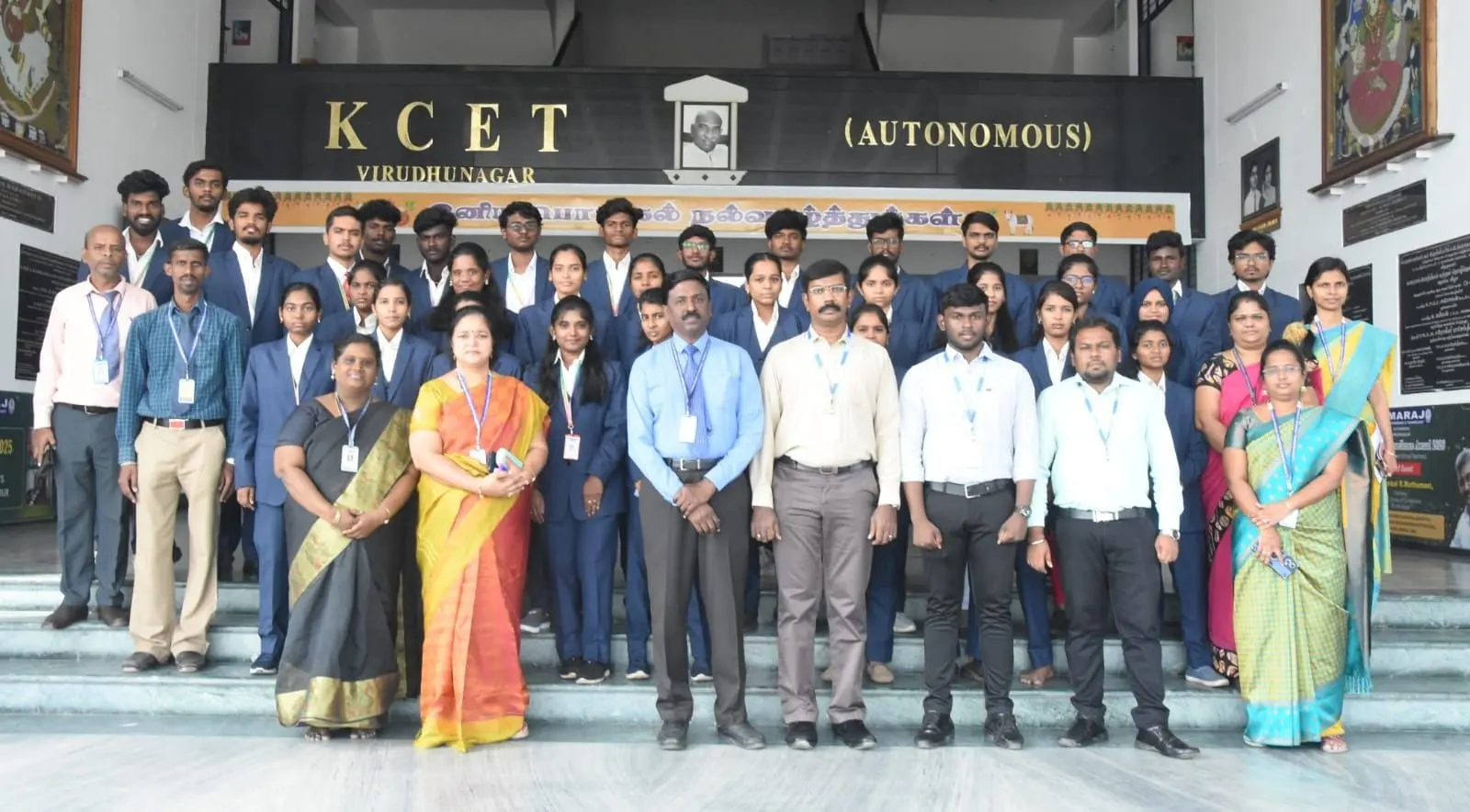
Kamaraj College of Engineering and Technology: a skill-focused course with hands-on practice.
Student voices
What students say about learning with our engineers
The same engineers who train faculty also mentor students. Press play to hear what students say about that mentoring.
“The training gave me the confidence and practical knowledge to begin my career in finance. I gained valuable experience through real-world tasks and hands-on learning.”
 Madhukiran BFinance Intern
“The program gave me the practical skills and confidence to build real-world web applications. I learned through hands-on projects and continuous guidance.”
 Elakkiya Vadhana RWeb Development Intern
“The training helped me strengthen my design skills and understand real-world user needs. I gained practical experience through hands-on projects and creative problem-solving.”
 Amala MaryUI/UX Intern
“The training improved my technical skills and helped me understand modern front-end development. Working on real projects gave me valuable hands-on experience and confidence.”
 Valli Myla GanesanFront End Intern
Partner colleges
Colleges that work with Icanio Tech School
Faculty at our MoU colleges get priority access to faculty development programs.
Francis Xavier Engineering College
Tirunelveli
DMI Group of Institutions
Aralvaimozhi

Kongu Engineering College
Erode

Xavier Institute of Business Administration
Tirunelveli

Jayaraj Annapackiam CSI College of Engineering
Nazareth

Ramco Institute of Technology
Rajapalayam
Vellalar College of Engineering and Technology
Erode

Sengunthar Engineering College
Thiruchengode

SNS College of Technology
Coimbatore
Karpagam College of Engineering
Coimbatore
Keep exploring
Other college programs
College programs overview
Compare every program for colleges and choose where to start.
MoU partnership
Get priority FDP seats, mentorship and student internships.
Value added courses
Lab-based courses for students, delivered on your campus.
Guest lectures
Free sessions on AI, cloud, DevOps, cybersecurity and careers.
Industrial visit
A guided day inside a working software company.
Technical workshops
Short, practical sessions on emerging technologies.
Plan an FDP
Enquire about a faculty development program
Tell us which departments will attend and what they want to learn. Our team replies within one working day.
- Onsite, online or hybrid delivery
- Hands-on sessions led by Icanio engineers
- Certificate for every faculty participant
Frequently Asked Questions
What does the faculty development program cover?
The faculty development program covers industry-focused skill training, hands-on exposure to modern tools and emerging technologies, and project-based teaching methods. Topics are agreed with your college and can include Python, web development, data science, AI and ML, DevOps, cloud and software testing.
Who conducts the faculty development program?
Practising engineers from Icanio Technologies conduct every session. Our trainers have 3+ years of client delivery experience and are background verified by Icanio HR. They bring real project examples, so faculty see how each tool is actually used at work.
Can the FDP be conducted online?
Yes. Each faculty development program can be delivered onsite at your college, online, or in a hybrid format. Onsite works best for hands-on lab practice. Online suits busy schedules. Hybrid gives faculty time to practise between sessions.
Do faculty receive a certificate?
Yes. Every faculty member who successfully completes the faculty development program receives a certificate. It records the training completed and can be added to their professional development file.
When is the best time to run an FDP?
Many colleges prefer semester breaks, when faculty have fewer teaching hours. We can also run shorter sessions during the semester. Our team plans the dates with your principal or HoD so regular classes are not disturbed.
Is the program only for engineering faculty?
No. The faculty development program also suits faculty in arts and science colleges who teach computer science, data science, BCA or MCA. We adjust the depth and examples to the subjects each group teaches.
How is this different from a guest lecture?
A guest lecture is a single talk for students, focused on awareness and careers. A faculty development program is hands-on training for teaching staff, focused on tools and teaching methods faculty can use in their own courses. Many colleges run both through an MoU partnership.
Do MoU colleges get priority for FDPs?
Yes. Colleges with an MoU partnership receive faculty training, mentorship and modern teaching support as part of the agreement. They also get priority access to workshops, value added courses and free or sponsored internships for students.
How many faculty can attend one FDP batch?
Batch size depends on the delivery mode and, for onsite programs, the number of systems in your lab. Hands-on practice works best when every participant has a working computer. Our team agrees the right batch size with your college while planning the faculty development program.
Key Takeaways
- Our faculty development program is hands-on training for college teaching staff, led by Icanio engineers.
- It covers industry-focused skills, practical tool exposure and project-based teaching methods.
- Delivery is flexible: onsite at your college, online, or a hybrid of both.
- Every faculty participant who completes the program receives a certificate.
- MoU partner colleges get faculty training and mentorship as part of the partnership.
Conclusion
Faculty shape how thousands of students learn over their careers. A faculty development program that puts modern tools and project-based methods in their hands improves every batch that follows.
If your college wants teaching that stays close to industry, tell us which departments and technologies to focus on. Our team will design a faculty development program that fits your calendar and your labs.
Plan a faculty development program
Share your departments and preferred technologies. Our team will propose topics, a mode and dates.
Contact our team at techschool@icanio.com or call +91 91500 09316, Monday to Saturday.